
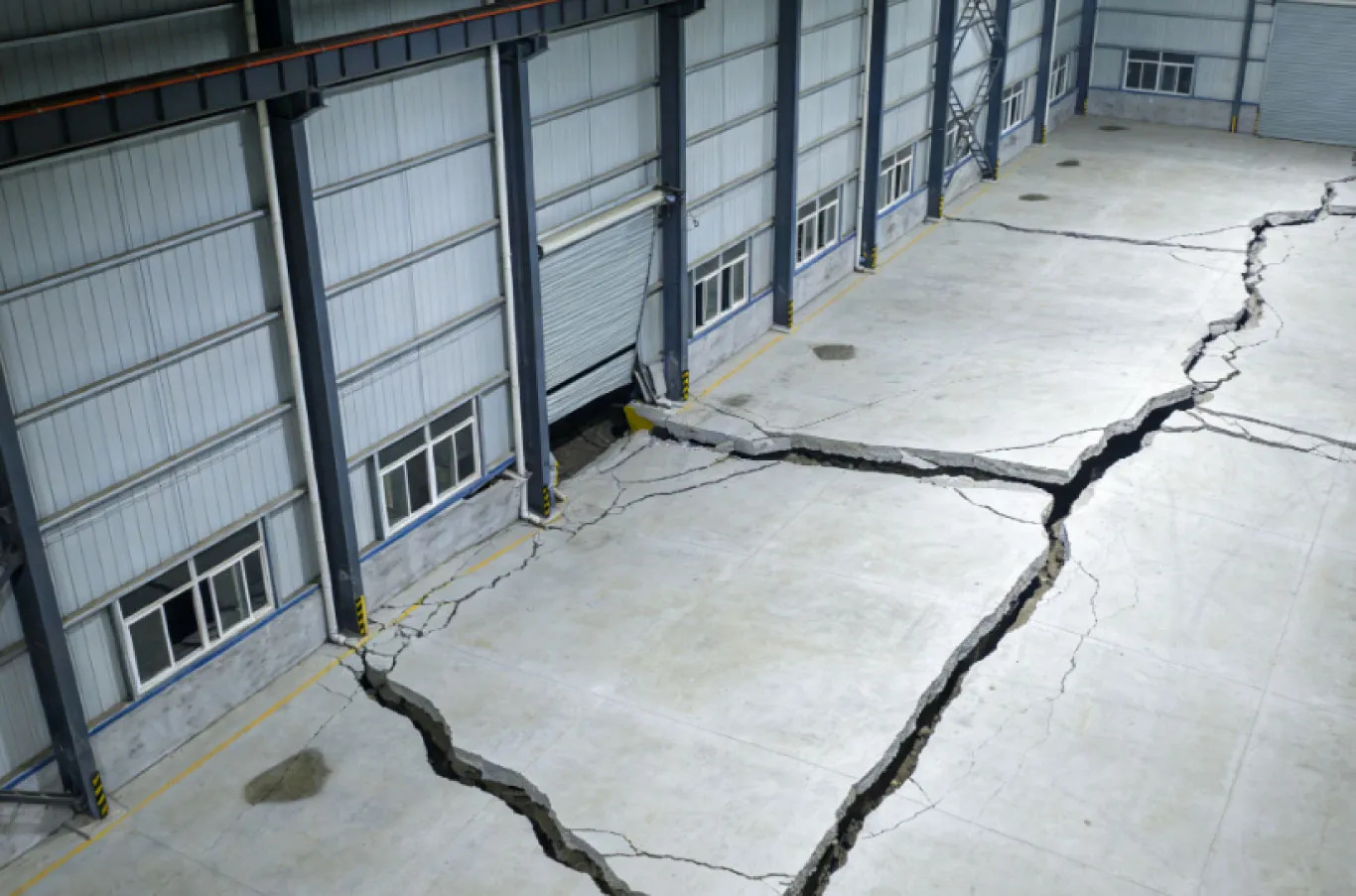
Safety Challenges for Coastal Industrial Plants
Coastal facilities face unique geological risks, primarily due to soft soil foundations (mucky soil or hydraulic fill) and low bearing capacity. Within a few years of operation, these sites often experience:
- Settlement & Differential Settlement: Severe sinking of columns and backfill soil.
- Structural Damage: Cracking of floors (hollowed out), walls, beams, and columns.
Key Risk Factors
- High Groundwater & Tidal Impact: Fluctuating tides and rainy seasons repeatedly disturb the foundation, causing cycles of settlement and rebound.
- Consolidation of Backfill: Facilities in industrial parks or reclaimed land suffer from long-term, slow-moving secondary consolidation settlement.
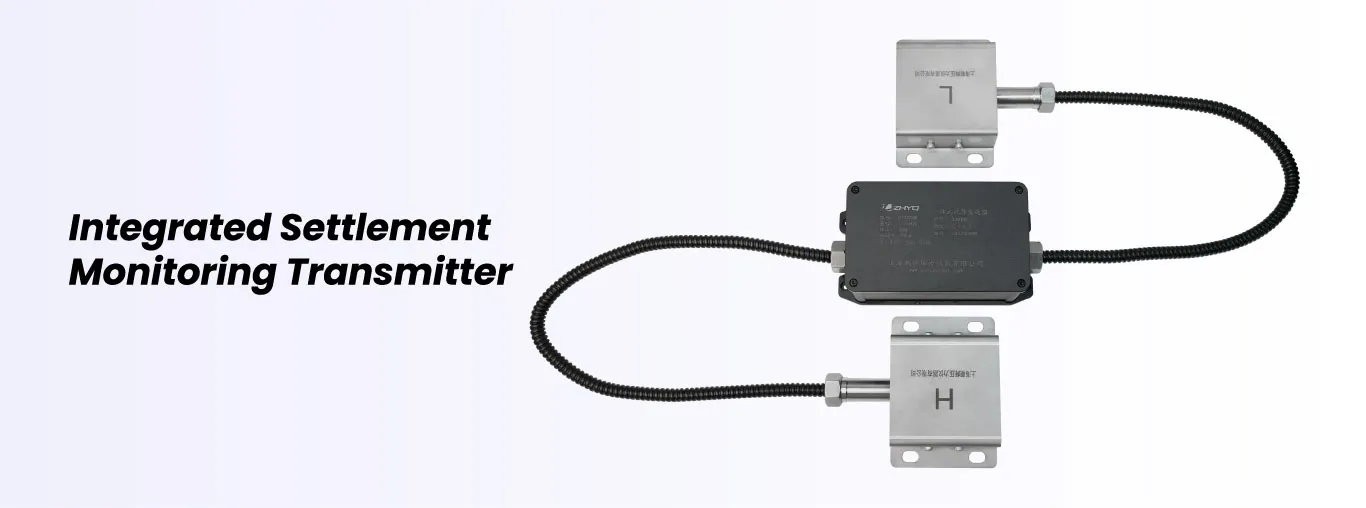
Integrated Settlement Monitoring Transmitter – PT3508
Designed specifically for long-term, unmanned monitoring in coastal industrial zones and seaside plants.
- Fully Sealed Integration: Rated IP67/IP68 for high-level protection.
- Harsh Environment Ready: Resistant to salt spray, humidity, and corrosion.
- Maintenance-Free: Long service life with high reliability.
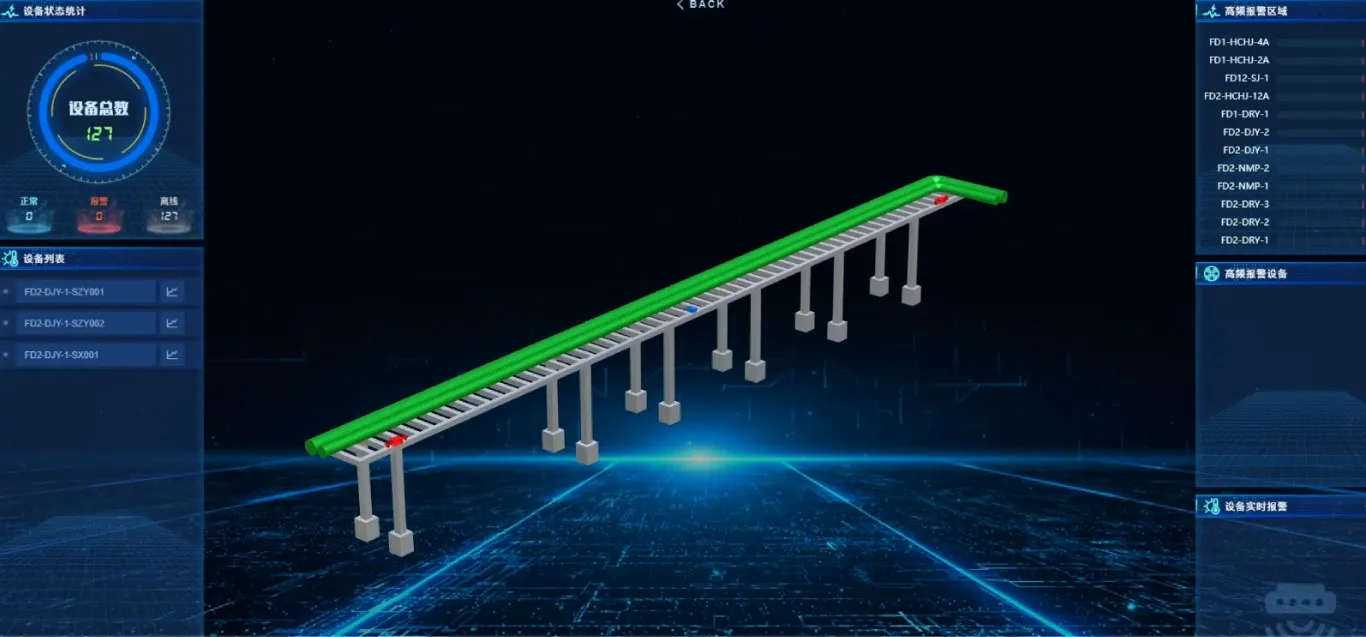
Building a Smart Factory Safety System
- Standard Output: RS485/Modbus protocol for direct integration into Smart Park management, emergency response, and government regulatory platforms.
- Automated Reporting: Generates settlement curves, historical data logs, and alarm records.
- Digital Management: Facilitates a closed-loop safety workflow: Monitoring → Warning → Disposal → Resolution.
Core Application Scenarios
1. Structural Settlement Monitoring
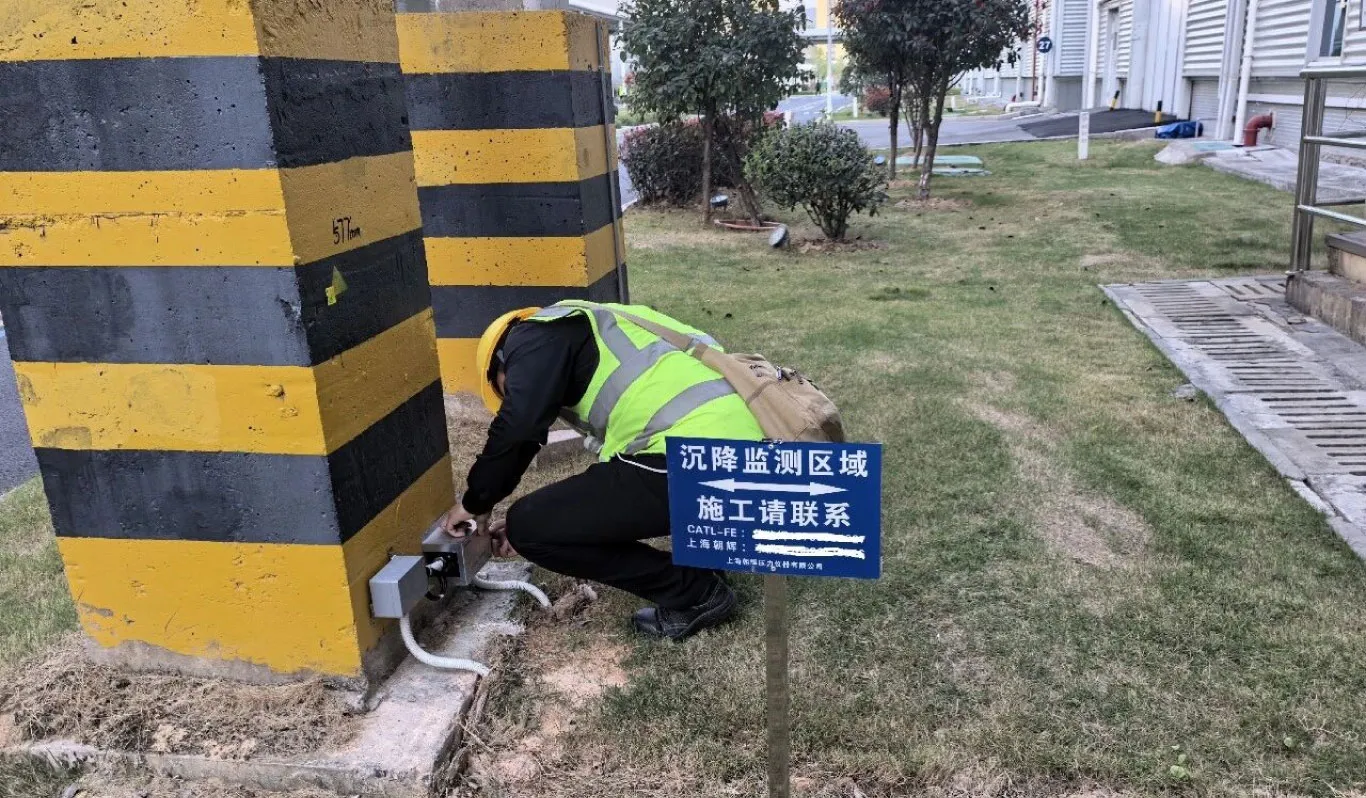
High-precision vertical monitoring of columns, foundations, load-bearing walls, and floors. It focuses on differential settlement—the most dangerous structural hazard for coastal plants—providing data for safety appraisals, annual inspections, and hazardous building screenings.
2. Protecting Heavy Equipment Precision
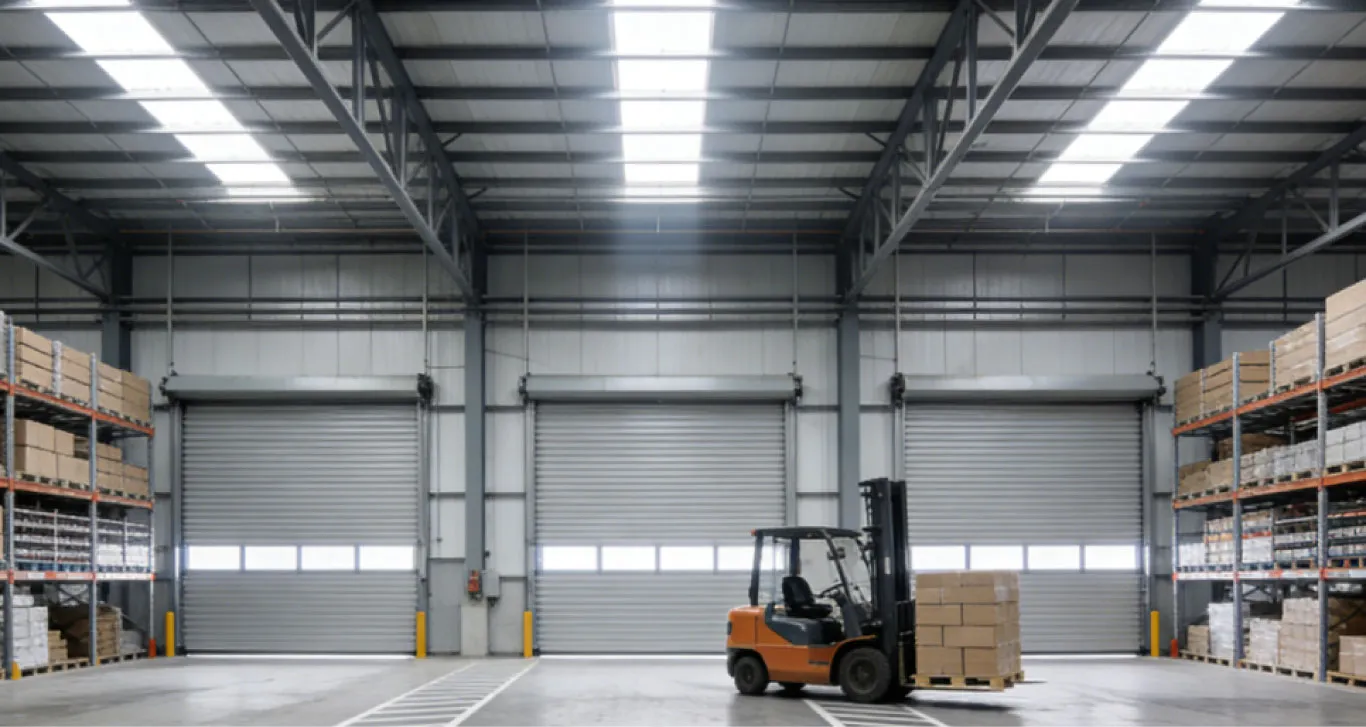
Coastal plants often house machinery, equipment manufacturing, and logistics. Precision is critical. By monitoring the foundations of machine tools, crane rails, and large equipment, the system prevents:
- Degradation of equipment accuracy.
- Crane misalignment or “rail gnawing.”
- Production line displacement and unplanned downtime.
- It provides quantitative data for calibration, foundation reinforcement, and O&M decisions.
3. Resilience Against Extreme Weather
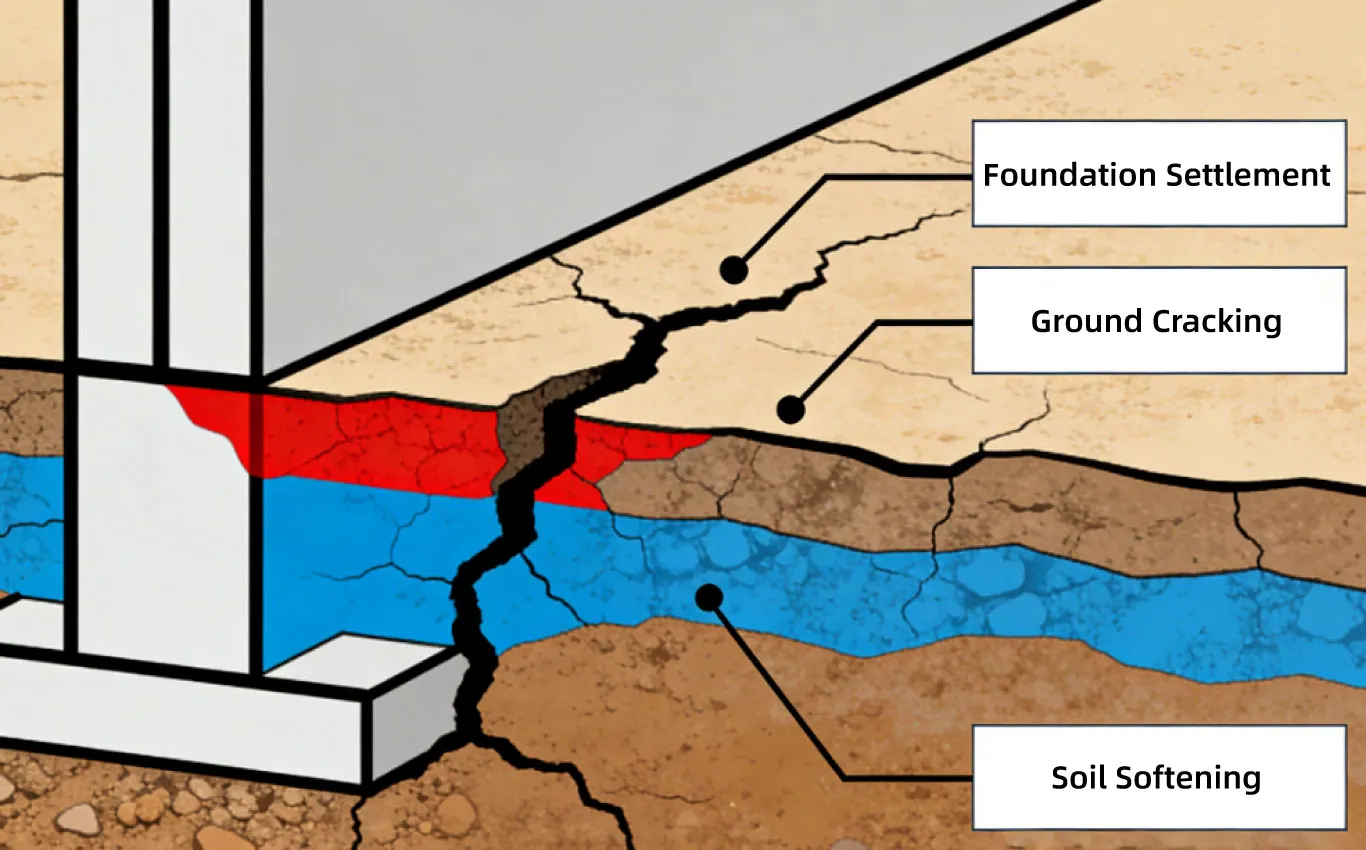
During Typhoons (Hurricanes):
- Wind Load: Causes sudden changes in foundation stress.
- Storm Surges: Lead to rapid groundwater rises and foundation softening. The transmitter captures abnormal deformations in real-time, providing early warnings before a catastrophe occurs.
4. Mitigating Disturbance from Nearby Construction
Coastal zones are often high-density construction areas. Excavation, piling, and roadwork can all destabilize existing plants.
- 24/7 Online Monitoring: Provides a traceable “paper trail” of data.
- Use Cases: Safety control, liability definition, and insurance claim/dispute resolution.
Summary
The Integrated Settlement Monitoring Transmitter is the core technology for smart safety in coastal industrial parks. It addresses the challenges of soft soil, high water tables, salt spray corrosion, and typhoon disturbances. By providing 24-hour high-precision automated monitoring for foundations and equipment, it safeguards structural integrity and production stability.
Would you like me to refine the terminology for a specific use case, such as a formal technical datasheet or a marketing brochure?