
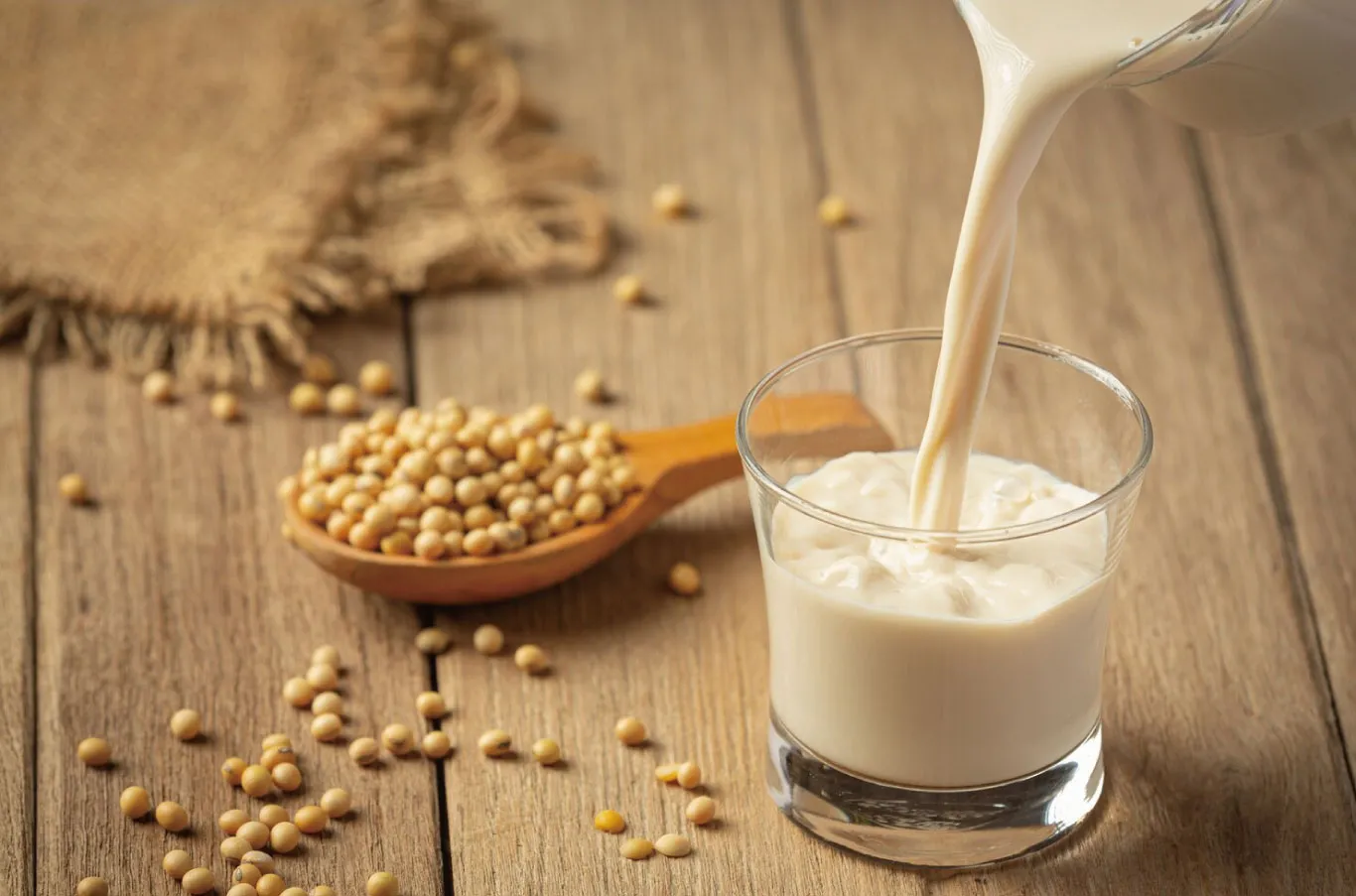
In the production of soy products, concentration is the core lifeline that runs through the entire process. From soy milk and tofu to dried bean curd and bean curd skin, the taste, texture, yield, and nutritional value of every product are closely linked to the concentration of the liquid. Traditional manual testing is not only inefficient and prone to error, but it also fails to achieve real-time control. This easily leads to unstable quality between batches, waste of raw materials, and even substandard products.
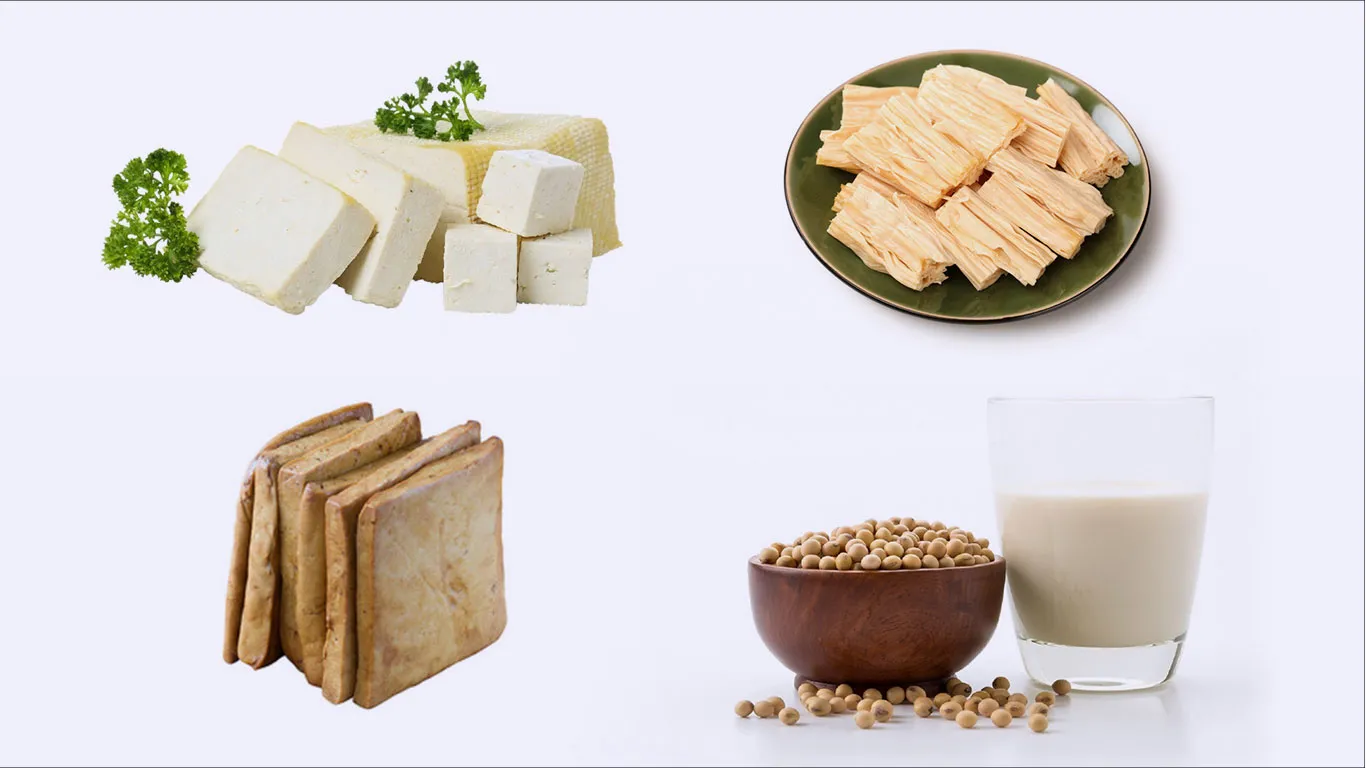
How can this industry pain point be solved? The ZHYQ inline brix refractometer is becoming the “intelligent housekeeper” for many soy product enterprises. With its core strengths in high precision, 24/7 operation, and strong adaptability, it achieves precise concentration control throughout the entire process—from raw materials to finished products—guarding standardized and intelligent production.
1. The Hidden Pain Points of Uncontrolled Concentration
- Unstable Taste and Quality: If the concentration is too high, tofu becomes hard and aged, and bean curd skin breaks easily; if it is too low, the soy flavor is weak and water retention is poor, directly impacting consumer reputation.
- Low Production Efficiency: Manual sampling and laboratory testing are time-consuming and suffer from significant lag. By the time a problem is discovered, a large amount of semi-finished products have often already been scrapped.
- Rising Raw Material Costs: Inaccurate concentration control means an imbalance in the ratio of protein to water. This results in a low yield and causes serious waste of resources such as soybeans, water, and electricity.
- Difficulty in Standardizing: Over-reliance on the “experience and feel” of veteran masters makes it difficult for new employees to learn. Consequently, production processes cannot be solidified, making large-scale, standardized production hard to achieve.

2. Hardcore Principles
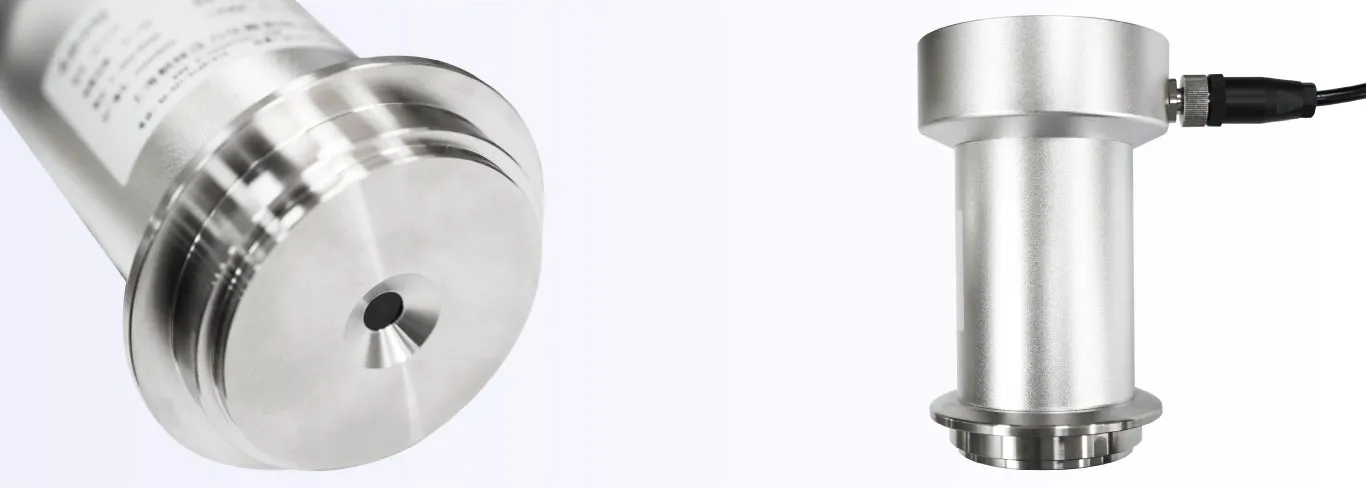
The ZHYQ inline brix refractometer (represented by the CZ-E series) utilizes the principle of refraction. Its core function is to achieve non-contact, high-precision detection through optical measurement.
- Optical Core: The precision sensor features a built-in highly stable light source, a sapphire prism, and a high-precision light receiver. When light passes through the prism and contacts the soy milk, different concentrations produce different refractive indices. The light receiver captures these changes, and a precise algorithm converts the optical signal directly into a concentration value (Brix value).
- Material Upgrades for Food Safety:
- Sapphire Prism: Extremely hard, wear-resistant, and corrosion-resistant. It withstands long-term scouring and attachment from proteins and bean dregs in the soy milk, ensuring long-term measurement stability.
- 316L Stainless Steel: The main body of the probe is made of food-grade 316L stainless steel. It is precision-polished with no dead ends, meeting hygiene standards, preventing bacterial growth, and making it easy to clean.
- Intelligent Algorithms to Eliminate Interference: Built-in automatic temperature compensation technology eliminates the impact of different temperatures (such as cold vs. hot milk) on the refractive index. This ensures accurate data throughout all stages, from cold pulp soaking to high-temperature boiling. Additionally, the algorithm effectively filters out interference from bubbles and fine bean dregs, ensuring the measured values are true and reliable.
3. Full Process Control: Covering Key Production Nodes
The ZHYQ inline brix refractometer can be seamlessly integrated into various key stages of the soy product production line, providing 24-hour real-time monitoring to build a quality defense line for every process
Grinding Stage
Monitoring Point: After grinding, before pulp-residue separation.
Role and Impact: Real-time monitoring of raw pulp concentration. It feeds signals back to the grinder or water system to automatically adjust water intake, ensuring the base concentration of each batch is stable and consistent from the source.
Boiling Stage
Monitoring Point: Boiling tanks and cooked pulp pipelines.
Role and Impact: Precisely monitors cooked pulp concentration in high-temperature environments. It prevents concentration from becoming too high due to evaporation or nutritional loss from excessive water. Combined with temperature control, it ensures sterilization and maturation at the optimal concentration.
Coagulation Stage
Monitoring Point: Coagulation buckets and pipelines before coagulation.
Role and Impact: This is the most critical step for tofu and dried bean curd quality. By precisely monitoring concentration and working with pH sensors, it guides the exact addition of coagulants (brine, gypsum), ensuring uniform coagulation and a delicate product texture with no voids and good water retention.
Blending / Concentration
Monitoring Point: Blending tanks and finished pulp pipelines.
Role and Impact: For products like soy milk drinks, it monitors post-blending concentration in real-time. This ensures sugar and protein levels meet national standards and flavor designs, avoiding quality issues like stratification or sedimentation.
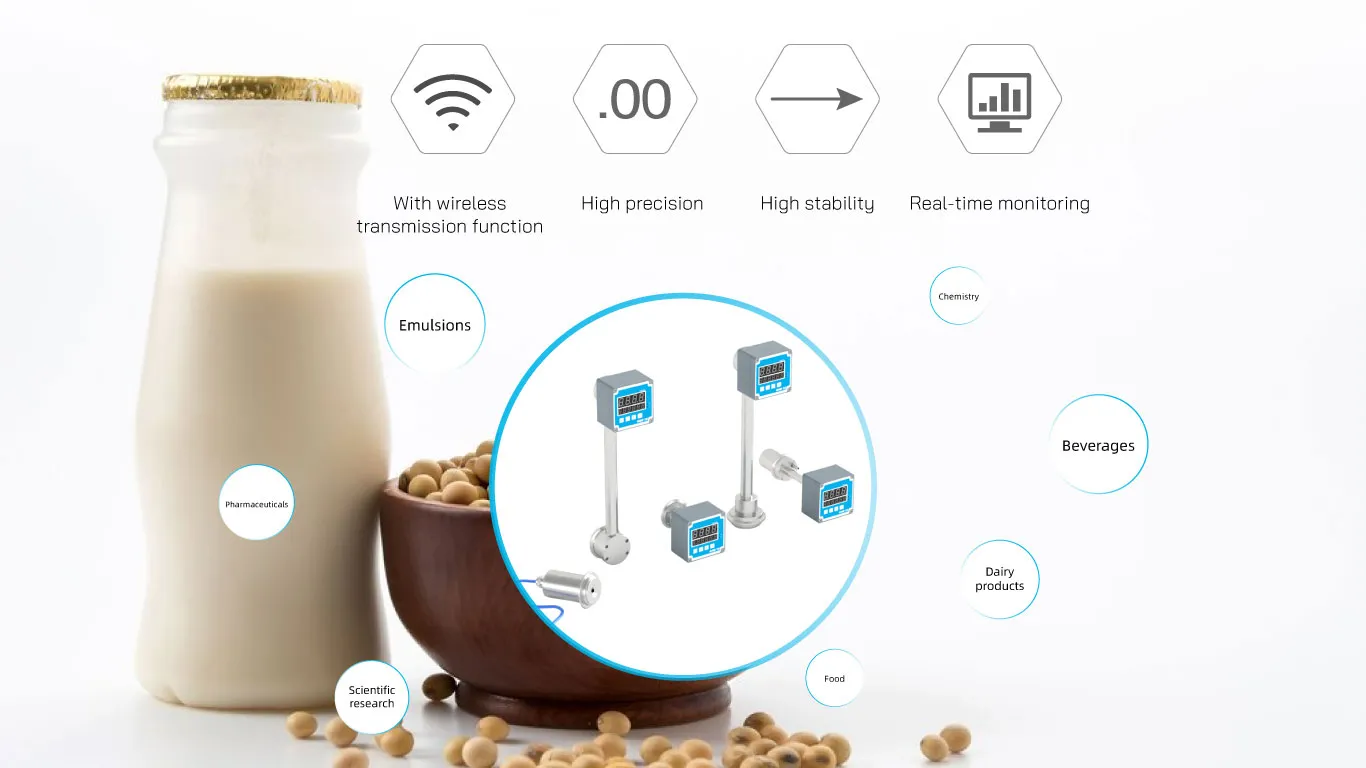
In today’s highly competitive soy industry, precise process control is the foundation of an enterprise. The ZHYQ inline brix refractometer solves concentration control challenges with hardcore technology, stabilizing product quality and increasing efficiency while significantly reducing raw material loss and production costs.
Choosing ZHYQ means choosing to equip your production line with a pair of “never-tiring eyes,” ensuring every drop of soy milk is precisely controlled and every finished product maintains consistent quality!